
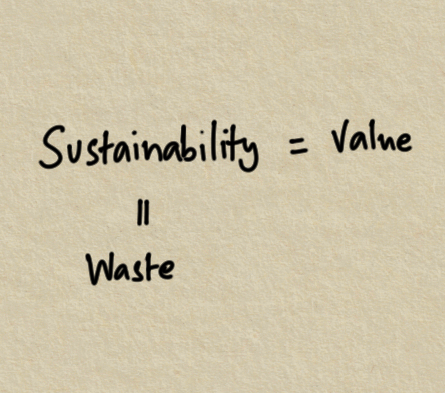
Sustainability should create value. But that’s not guaranteed.
If you remember the pandemic days, companies claiming to be sustainable were the new hot thing.
You had ESG focused funds popping up everywhere – with the pitch that a portfolio built from sustainable firms would have alpha – outperforming the market.
I was sceptical.
Here’s my logic. The low-risk default is always to buy the index – a low cost tracker that buys companies in proportion to their market cap.
If sustainable companies really can do better, then they will form a larger part of the index, and you’ll benefit from their success by owning the tracker.
You don’t need to pick them because you think (hope) they’ll do better.
And in the subsequent years, they didn’t.
The Russia-Ukraine war turbocharged oil stocks in 2022. AI came along and lit a fire under the tech sector from 2023.
A sustainability thesis alone would not have captured either trend. And it’s probably worth noting that both booms are the opposite of what sustainability advocates would want.
We’re a long way from the euphoria now and a sustainability program in 2026 has to be hyper-focused on value.
If not, it has a tendency to create waste. Extra resources. Unnecessary complexity. Added reporting burdens.
A good place to start is with an old question that applies to every investment.
How does every pound going into your sustainability program add £3 in business value for the firm?
 Handcrafted insight