How AI Can Make You Better

2026-04-06_ai-work.png

I don’t think AI is going to save you time.

But I believe it can help you produce better work.

Like many people, I use AI every day.

Recently, I’ve been experimenting with using AI as a feedback coach.

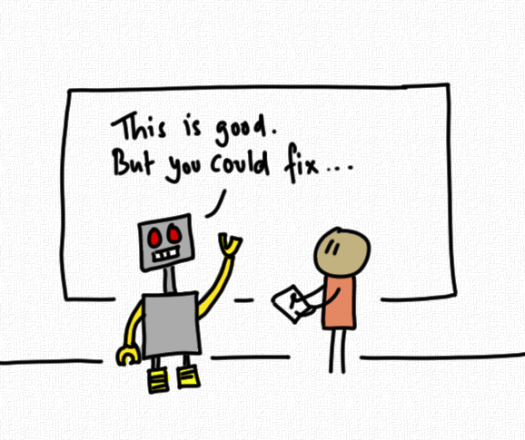
Give it a post, a paper, a presentation – and ask it to suggest improvements.

It doesn’t just catch typos.

It shows the holes in your logic, points out when the narrative arc breaks down, and suggests where to trim the fat.

I tell it to review my work. Not rewrite. That’s my job.

But it often takes longer to finish. A piece might take seven revisions, rather than three.

There’s a saying – “Art is never finished, only abandoned.”

AI makes you spend more time on the task before you abandon it, because it spots the problems you need to fix.

Using AI can make you better at what you do.

But only if you use it as a coach, rather than a substitute.

Are you using AI to do the work, or show you where it isn’t good enough yet?
Fix The System Before Fixing People

2026-04-04_management.png

I’ve been talking to managers recently about what really frustrates them.

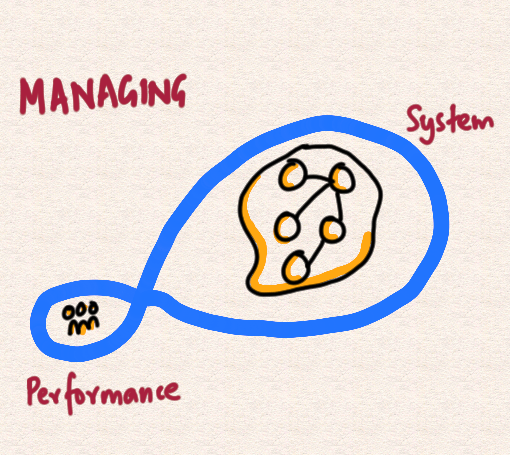
It’s how much of their time is drained managing performance.

But the problem often isn’t the people. It’s the system.

For example, setting targets often results in gaming behaviour. The objective becomes hitting the target, rather than doing the work in a way that’s best for the customer.

We see this play out often:

  • the surgeon that avoids cases that hurt their stats
  • the salesperson that offers a ridiculous discount to get their bonus
  • the CEO that uses layoffs to maintain quarterly EBITDA

People will behave in ways that are rational for the system that employs them.

If you want them to act differently, you have to change the way the system works.

That’s the insight Deming had.

“A bad system will beat a good person every time.”

Next time, try fixing the system before fixing the people.

Value Hides In Invisible Markets

2026-04-03_mismatch.png

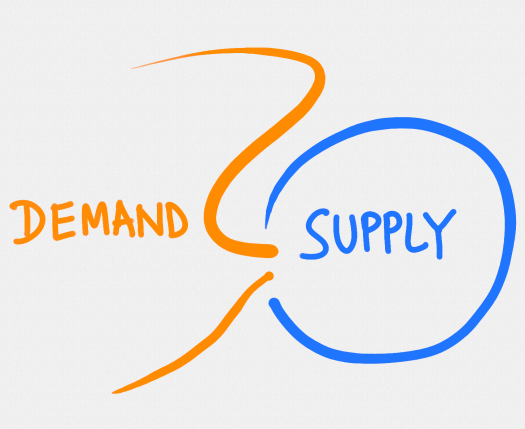
Why is it so hard to find employees and clients when there is infinite visibility on LinkedIn?

Here’s the problem.

Visible markets are crowded. Opportunities sit in invisible ones.

LinkedIn makes it easy to apply for jobs, so thousands respond to an advert.

Thinking of hiring a consultant? A post will attract hundreds of suggestions.

The problem is baked into the design of the system, creating a mismatch between demand and supply.

Only a small fraction of total demand is visible.

But the supply side floods in, because people search where it’s easy to look.

So the visible market becomes the most competitive one.

Here’s the strategic takeaway.

If it’s easy to reach, it’s already saturated.

If you want an edge, you have to go where others aren’t looking.

The Thing About Luck

2026-04-02_future.png

You know what they say about luck, right?

Hint: It’s about making a decision at the right time.

In sustainability work, we often assume we can reduce emissions in a straight line.

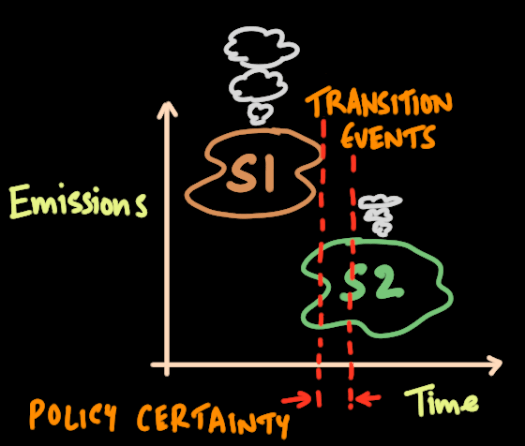
But change happens in steps, not lines.

Our emissions are shaped by the current system – our assets, processes and ways of working.

If we want to reduce them permanently, we need to redesign the system.

Take a simple example.

If your employees travel a lot for work your emissions will stay in a range as long as you keep operating the same way.

Significant reductions require a step change.

Can we do some work remotely? Is low-carbon transport an option?

But those kinds of shifts aren’t always possible.

They tend to open up in specific windows – when assets reach end of life or when policy and economics make new options viable.

You don’t control when those windows appear, but you can be ready for them.

And that’s the thing about luck.

It’s when preparation meets opportunity.