
This is the time of year when I’m looking at numbers and prepping reports.
And every so often I’ll see someone say that reporting is a waste of time. Stop doing it.
We’ve been managing reporting for the UK’s Streamlined Energy and Carbon Reporting (SECR) since 2019, and before that set up a trading desk for the Carbon Reduction Commitment (CRC) scheme – so been in the game for a while.
And now we have some data.
An evaluation by the government has found that “there is evidence to suggest that SECR has led to reductions in energy use and GHG emissions from organisations in scope of the regulations”.
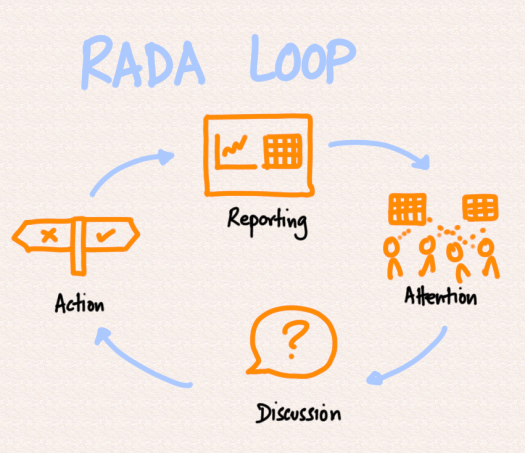
There are more details in the report but what I want to focus on is the RADA loop – something we see in practice.
Reporting is a necessary first step. Gather data, build an evidence base, and publish findings.
Doing this gets attention – from internal and external stakeholders. Putting any statement out there needs input and approval from stakeholders across the organisation.
But how do they interact? They’re pulled into discussions, into conversations. Working groups are set up to talk about what this means now and in the future.
And that leads to action. Everything from, this isn’t important so we’re going to do the minimum to this is an existential issue and we have to get the positioning right.
And the actions then flow back into reporting, where we can monitor what’s going on.
In a decade of doing this, we’ve seen teams grow from small starts to making big impacts. Careers have developed. We’ve gone forward and back. But corporates are making a real difference – and that should be recognized.
We’re not going to solve climate change in a year. But we will make a difference if we use the decades wisely.
 Handcrafted insight