Making The Sustainable Path The Obvious One

2026-02-12_act-wait.png

“What if everyone did this?”

You already know the golden rule. The platinum rule says treat others like they want to be treated.

Useful rules, but not enough to address big questions like how do we make our organisations more sustainable?

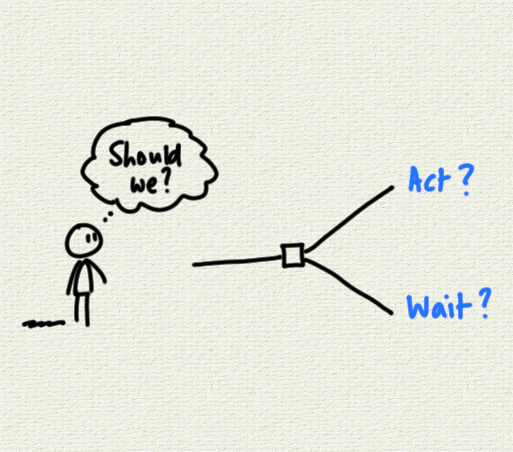
Taking action disrupts the status quo. It introduces risk and uncertainty – and the possibility of loss. It seems safer to stick with what we’re doing now.

Change has to be worth changing for.

That’s why policy is so important. Leaders who shape the rules of the game ask “what if everyone did this?”

They create incentives that help organisations choose action over inertia.

But the rules aren’t clear right now. Many companies we speak to feel stuck – wanting to take action but finding it difficult to make a business case and get the resources and support they need.

If we want to build more sustainable companies – we’re going to have to do more to make the sustainable path the obvious one.
Target Achieved: 1 Million Words

2026-02-11_crossing-finish.png

Wednesday, 10.28am

Sheffield, U.K.

It is insight into human nature that is the key to the communicator’s skill. For whereas the writer is concerned with what he puts into his writings, the communicator is concerned with what the reader gets out of it. He therefore becomes a student of how people read or listen. – William Bernbach

The number 42 has a special significance for me. Other than its appearance in the Hitchhiker’s guide to the galaxy, it also happens to be the number on my birth certificate. I didn’t have a name – just baby number 42.

And so it’s pleasing that on the 42nd day of 2026 I’m going to reach a goal I set myself ten years ago.

I have always wanted to write. It’s the way I make sense of the world. It’s how I process and understand what is going on, and the way in which I deal with the ups and downs of life.

I write for me. Because if I didn’t write I would explode.

In 2016 I came across a quote by Ray Bradbury, in which he said that you should write a million words to throw away if you wanted to be a writer.

Those first million words were practice, trash, what you had to do to find your voice and your style. A practice that you had to do to become a writer.

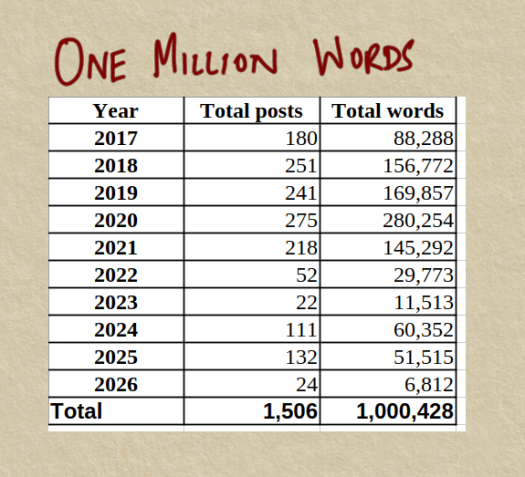
So I set a goal. A million words in ten years.

I set up a WordPress blog. And got started. And here are a few things I’ve learned on this journey.

Write first thing

We all have competing priorities. My children were ten years younger when I started. I was getting more unfit as I got older. Work was hard. Family life is challenging. There’s always something important to sort out.

But what you do first thing in the morning tells you what’s most important to you.

I started by setting aside time to write – getting up at 5 or 6 before everyone else was up, and wrote for an hour or so before it was time to get ready for work.

But that wasn’t always possible, and so sometimes I had to get the writing done last thing at night.

Somewhere along the way I started making a note on each of my posts of the time I sat down to write, and looking back, I can see that they’re outside the working day. Early starts – late nights – it doesn’t really matter.

What matters is, as Hemmingway wrote, getting the seat of your pants on the seat of your chair.

Make it as easy as possible to write

I once read a book on Feng Shui that said if you want to do less of something put a barrier in front of it.

Want to watch less TV and read more? Put a plant where it obscures the TV a little. That worked for a while for us.

Conversely, want to do more of something? Make it as easy as possible to do.

I’m a tech guy. So I set up a system where I can log into my machine and use the same workflow every time. One powered by Free Software.

I draw a picture using MyPaint. I run a script that sets up a post template with an image link and edit it in vi. Then I switch to emacs and post it to WordPress using org2blog.

This isn’t a workflow for everyone – you’re not going to touch it unless you’re a diehard GNU/Linux user – but I think everyone needs something like this. A friction free process where you sit down, do the work, hit publish – and the work is done.

Don’t let your fears and critical self stop you

We’re all afraid of what the world will think of us. What if we write and share something and people don’t like it? What if they laugh at us?

That critical self stifles our ability to express ourselves. It kills us before we get a chance to live.

The reality is that no one cares. Everyone is more concerned about their lives and problems than about you. It’s going to take a huge effort to get noticed at all.

Those days of obscurity are a gift. You can write, experiment, have a go at things without worrying about it.

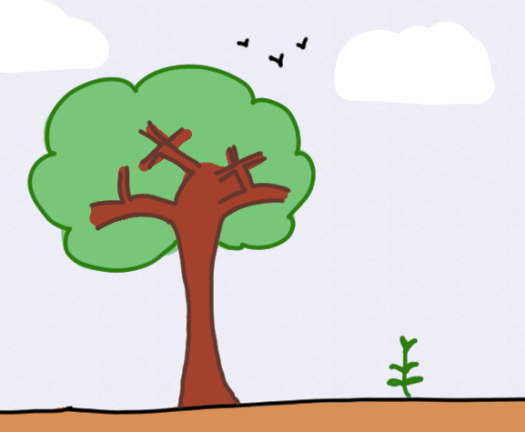
The best time to plant a tree is ten years ago

The second best time is now.

Doing this work. Doing the thinking and writing has made a difference. It’s a small thing – a few words a day. But they’ve helped me develop a new skill, develop my career, find a niche to add value, and work on a programme of research.

None of which might have happened if I hadn’t taken the first step, and published the first few words ten years ago.

But this is only the start.

I saw this period as a time for practice, a time to develop my skills.

The reality is that I don’t feel a better writer now than I did ten years ago.

Each post is still a struggle. A fight to find words. A mess as I work through these thoughts. They are, as Anne Lamott puts it, sh**ty first drafts.

The focus on publishing, on putting stuff out, has meant there isn’t time to go over and polish material. I like some sentences. Others need work. And there’s filler and irrelevant thoughts that wouldn’t make it into a “real” journal.

So that’s the next challenge.

So far, I have written for me. Because I like to write.

Now I have to learn to write for others, and create words that others will enjoy reading, listening to, and find useful.

I’ve written a million words.

2026-02-11_million.png

Now, I’d like to work on a million good ones.

Cheers,

Karthik Suresh

The Economics Of Knowledge Work

2026-02-10_saas-llm.png

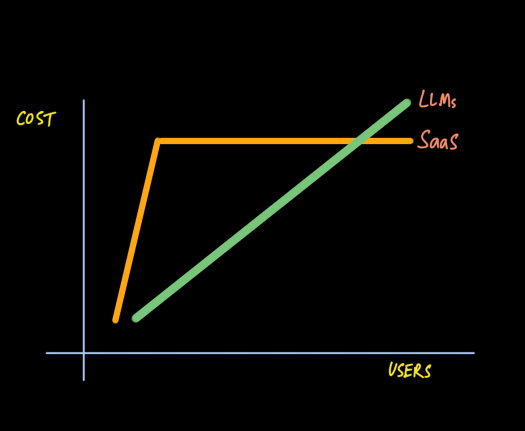
I keep seeing that AI has a cost problem: SaaS is expensive to build but cheap to scale; LLMs start cheap but costs go up as you grow and use them more.

I’m not convinced by this argument.

Say I’ve got to come up with an economic forecast.

There are a few ways I could do this.

Subscribe to a Bloomberg terminal for 30k that has all the data and analysis I need.

Hire someone to read and summarise material for maybe 100-400 a day.

Or run some PDFs through an LLM as a starting point for 20p.

You still need quality control so the real cost of an LLM is compute + review time costs.

But LLM + time is cheaper and possibly higher quality than time alone if you use the tools well.

What this means for me is that when I come across a business problem my first question is:

“Can an LLM help me do this better or faster?”

Before reaching for more expensive options.

Because the economics of how we deliver knowledge work are changing – and we’ve got to figure out where human judgement and input adds the most value.

The RADA Loop – Why Reporting Is Helpful

2026-02-09_reporting-action.png

This is the time of year when I’m looking at numbers and prepping reports.

And every so often I’ll see someone say that reporting is a waste of time. Stop doing it.

We’ve been managing reporting for the UK’s Streamlined Energy and Carbon Reporting (SECR) since 2019, and before that set up a trading desk for the Carbon Reduction Commitment (CRC) scheme – so been in the game for a while.

And now we have some data.

An evaluation by the government has found that “there is evidence to suggest that SECR has led to reductions in energy use and GHG emissions from organisations in scope of the regulations”.

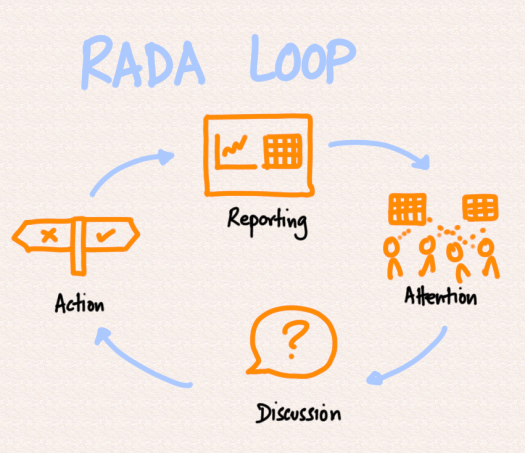
There are more details in the report but what I want to focus on is the RADA loop – something we see in practice.

Reporting is a necessary first step. Gather data, build an evidence base, and publish findings.

Doing this gets attention – from internal and external stakeholders. Putting any statement out there needs input and approval from stakeholders across the organisation.

But how do they interact? They’re pulled into discussions, into conversations. Working groups are set up to talk about what this means now and in the future.

And that leads to action. Everything from, this isn’t important so we’re going to do the minimum to this is an existential issue and we have to get the positioning right.

And the actions then flow back into reporting, where we can monitor what’s going on.

In a decade of doing this, we’ve seen teams grow from small starts to making big impacts. Careers have developed. We’ve gone forward and back. But corporates are making a real difference – and that should be recognized.

We’re not going to solve climate change in a year. But we will make a difference if we use the decades wisely.

What I Want To See From AI

2026-02-06_data.png

I started watching an AI demo yesterday that promised to show me how to build tools insanely fast.

I switched off after a few minutes.

For one simple reason – it skipped over the real work.

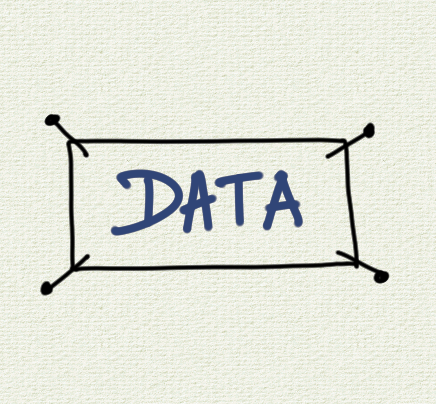
The demo assumed data was readily available – clean, structured, and good to use.

But when you build real world applications, getting the data is the hard part – that’s what takes the time.

It’s easy to analyse clean and tidy datasets.

It’s much harder dealing with a mess of files, formats, layouts and data entry styles.

There used to be a saying about graphical user interfaces. They make it simple to do simple things, and impossible to do complex things.

I’m seeing a similar thing with AI. We’re presenting simple things like dashboards and charts like they’re breakthrough technologies, when they’ve actually been around for ages.

The demos I want to see are different.

Show me AI working with messy data and helping with the practical problems organisations face every day.

That’s when AI use stops being theatre and starts to create real value.

Service As A Software – A New Way To Think About SaaS

2026-02-05_new-saas.png

Most companies don’t need new software. They need to get better at using what they already have.

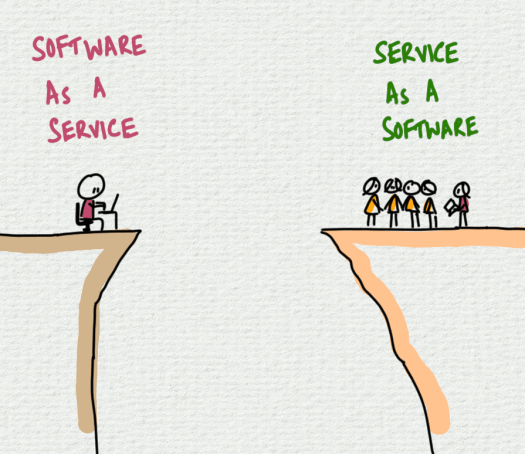
I’ve seen this called “Service as a Software”, rather than the traditional SaaS phrasing.

Traditional development is based on building solutions to client problems. But developers are often separated from where the work is being done.

But if you actually go and spend time with the people doing the work, or try doing it yourself, you’ll find that it’s less about a solution and more about improving what they’re doing already.

For example, I’m willing to bet that any potential client of ours has some kind of carbon reporting system in place.

It’s probably built using spreadsheets. It was probably made in-house or by a consultant. It probably takes a long time to collect and enter data. And it probably has broken formulas. And it’s probably stressing people out as they try and get their reports out.

A solution oriented approach says – let’s get rid of all that. Here’s some software that we’re hosting – put everything there and it will be fine.

There is an alternative approach – an inquiry-led one.

This is where we go and look at what’s being done now, talk through the situation, and see how we can improve it – make things better.

Every single one of the issues I’ve listed can be solved using tools you already have, and the whole process can be improved with simple processes.

Why not wrap these processes in software and offer them as part of your service to clients?

That’s Service as a Software. The service comes first, because that’s what matters to clients. The software is implementation, but the service delivers the impact.

And that makes the difference between services that make people’s lives easier and platforms that just give them more work to do.

The Shape Of Organizations To Come

2026-02-04_future-organisations.png

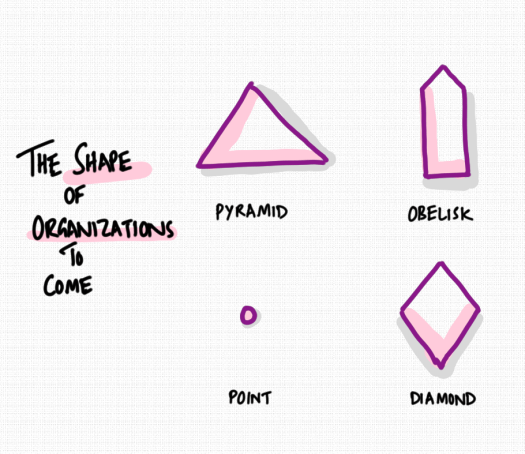
AI is changing the shape of how organisations are staffed.

The traditional shape is a pyramid.

Leaders at the top. Their reports below. A hierarchy of workers making up a growing base.

But AI is (maybe) decoupling time from output. You can produce the same or more without adding people.

That turns a pyramid into more of an obelisk.

Few leaders. And a slimmer working core.

Then you have the point.

Newer firms don’t need to hire to grow in the way they did a decade ago. They may stay small, a few core contributors delivering outsize value.

The one that people are worried about is the diamond, where you still have leaders at the top and an experienced middle, but the base tapers to a point.

Companies stop hiring junior talent, or hire fewer juniors – expecting AI to take over these jobs.

It’s early days. I think we can see the obelisk and point shaped organisations springing up around us. The diamond – less sure about that. But we’ll see what happens over time.

Are there any other shapes you’ve come across?

Four Green Houses. One Red Hotel

2026-02-03_world-monopoly.png

The answer to what’s going on with real-world geopolitics is in a game of monopoly I played with my son.

He is fiercely competitive. In this game, he landed on a property that I wanted.

Rather than just letting me buy it, he forced a bidding war, driving the price higher.

I had money. I could have kept bidding. But I bailed out, thinking it wasn’t worth the price.

And that was a mistake.

From that point, I was going to lose the game.

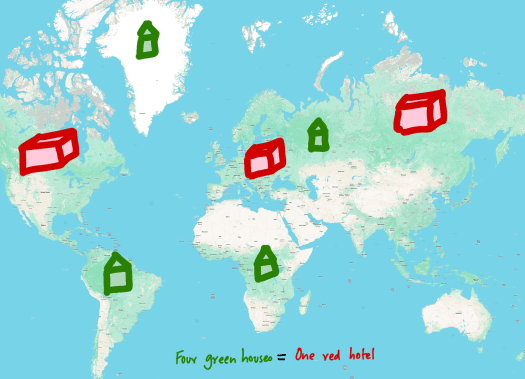
The key to monopoly is four green houses equals one red hotel.

Where are the properties that matter on the world board?

It’s where the resources are, and the ones that matter are the rare earths and critical minerals that underpin today’s technology.

These are the properties where prospective hoteliers need to get a foothold and start building their green houses.

It’s where the conflict is happening – armed conflict, and the threats of conflict.

The three big players in the game are the U.S, the E.U and China.

It’s coming down to how much they’re willing to spend and do to get control of these properties.

How they play the game will shape the economic machine for decades – and dictate the balance of global power.

This is not the time to blink, or bail out of the game.

How Does Vibe Coding Fit In Your Business?

2026-01-31_tight-ropes.png

I’m still trying to figure out the role of vibe coding in my infrastructure.

Stever Robbins had a great metaphor in his post exploring this issue.

https://www.linkedin.com/posts/stever_i-dont-know-who-needs-to-hear-this-but-activity-7421941317032775681-qosf

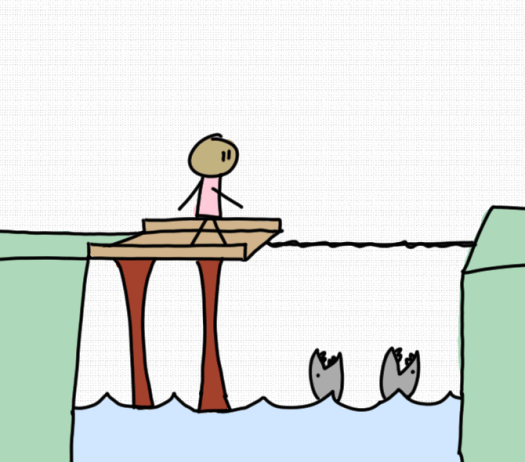
For years we’ve built our systems like bridges.

Look around you. Everything you see has been designed and engineered.

It is understood.

LLMs change that.

Now we have engines creating code that we don’t have enough time to understand.

Relying on these systems is like stepping off onto a tightrope. Will it hold? Can you stay on? And what happens if you fall?

But tightropes are cheap and easy to install. And maybe it doesn’t matter if you fall off sometimes, as long as you can pick yourself up and carry on.

I suppose the best thing is to be pragmatic.

Build, test, learn, apply.

Where Are You On The Smile Curve

2026-01-30_must-have.png

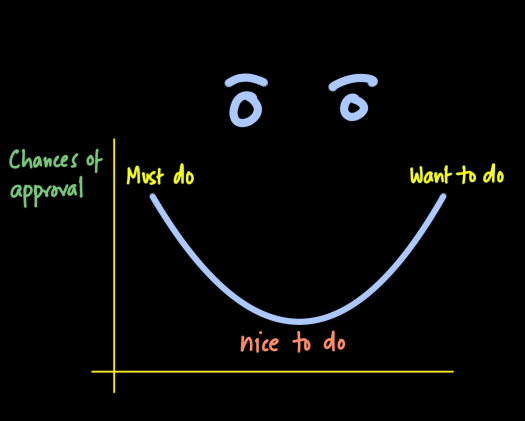
I was reading about the smile curve yesterday and how it’s changing the rules of the game.

This is the idea that we open our wallets only when we must do something, or if we really want to do something.

Taking buying a house, for example – one of the biggest decisions we’ll make.

The Economist wrote that there are only two reasons to buy a house.

Either it’s cheaper to buy than rent, or the house is perfect and you really want to live in it.

A so-so house, in the middle of a so-so place – you’ll pass on that.

The bottom of the smile is where products and services go to die – the things that are nice to have, but that you can’t really justify right now.

And this means we have to design products and services differently.

A service business like ours uses tested systems and processes to do work that clients have to do because of government rules.

Another business I know massively increases sales for its customers through a platform that quickly matches orders to the cheapest suppliers.

Who wouldn’t want to sign up to that?

Growth, it turns out, is increasingly at the extremes.

As business builders – we need to figure out where we sit on the smile curve and then head in the right direction.