
“What if everyone did this?”
You already know the golden rule. The platinum rule says treat others like they want to be treated.
Useful rules, but not enough to address big questions like how do we make our organisations more sustainable?
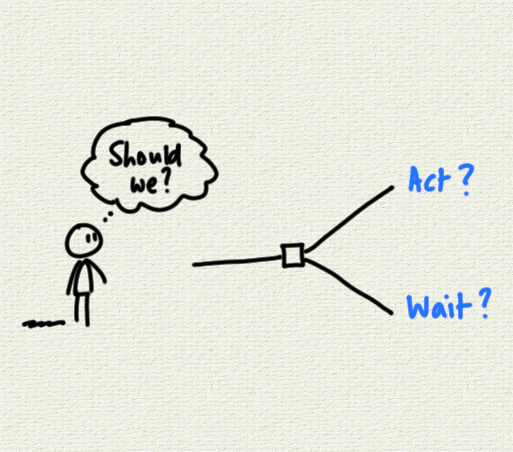
Taking action disrupts the status quo. It introduces risk and uncertainty – and the possibility of loss. It seems safer to stick with what we’re doing now.
Change has to be worth changing for.
That’s why policy is so important. Leaders who shape the rules of the game ask “what if everyone did this?”
They create incentives that help organisations choose action over inertia.
But the rules aren’t clear right now. Many companies we speak to feel stuck – wanting to take action but finding it difficult to make a business case and get the resources and support they need.
If we want to build more sustainable companies – we’re going to have to do more to make the sustainable path the obvious one.

 Handcrafted insight