
Saturday, 6.26pm
Sheffield, U.K.
Your customers are the lifeblood of your business. Their needs and wants impact every aspect of your business, from product development to content marketing to sales to customer service.
— John Rampton
I’ve got sales on my mind. I run a business – well, actually a couple of businesses now.
I dropped out of a PhD to join a startup twenty years ago as their first employee. Three of us in a small room. We grew to thirty and were acquired eight years later. I spent a decade in a corporate environment, and now am back to the startup routine, which is where I’m most comfortable.
That journey taught me a lot about building a business. In a startup you’re responsible for everything. Back then I was building computers and putting in wiring for servers. Now, you just start a Microsoft or Google workspace subscription and everything you need is up and running immediately. Infrastructure is not a problem.
Sales, on the other hand – there’s the real challenge. Sales isn’t magic – it’s a craft. One that you have to learn just like you learned everything else, with repetition and focus. So I’ve spent a little time today going back to basics. Reading the classics. And here’s what I’ve found.
You’re a founder. Get used to wearing that hat
First, we should start with Paul Graham’s famous essay on doing things that don’t scale. You have two jobs as a founder: recruit users and delight users.
Paul makes a distinction between founders and managers. Titles like CEO or COO mean nothing in a startup. You don’t have the ability to give your team instructions and then go golfing. You’re a part of the team – not apart from it.
You feel different when you introduce yourself as a founder, rather than a CXO or a sales person. It’s life or death for you. And you should approach it with that attitude. Seriously and with purpose. This matters. And if you really believe that, your prospects will see it too.
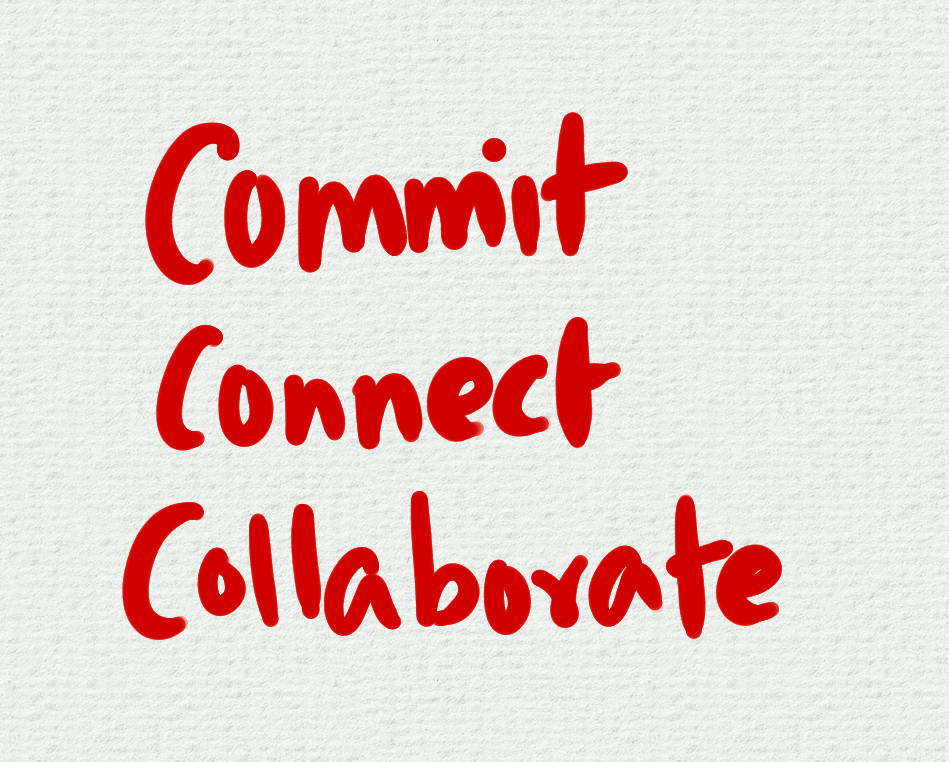
Commit, connect and collaborate
But what should you do – how do you spend your time? Three words: commit, connect and collaborate.
PA Consulting carried out research that found that professional services firm partners fall into one of five profiles. Only one of them is a rainmaker – that rare breed of person that brings in business to the firm. They called this profile the Activator.
An activator commits to building his or her network, connecting with people at different levels of an organisation. They know that a single contact is a single point of failure. As a result, they learn more about the company’s strategies, issues and needs.
Armed with this knowledge, they can collaborate with others to create products and services their clients truly need.
Engage on their time, not yours
B2B sales have changed since COVID. Everything starts with reaching out – but it’s not about cold calling or emails and relentless follow ups. I remember reading a line from a cold caller that said once a person was on their list, they stopped getting calls when they bought, or when they died. It’s a good thing that kind of thinking is dead.
Instead, you have to be where prospects are – which these days means platforms like LinkedIn for B2B consultancy firms like us. And events. And conferences. Places where people come together to learn from people.
The big difference is that the journey is now messy and multifaceted rather than linear and predictable. Lots of touchpoints rather than a funnel. Your content becomes the new cold call. Material that’s there for prospects when they are ready for it – case studies, opinions, videos – on their schedule.
Standardise marketing, not sales
Now this type of reality crashes headfirst into a common thought pattern. Many people believe that things that work have to be standardised, repeatable and teachable. In B2B, however, things are often complex, complicated and confused.
One of the best explanations of what needs to change here is the need to end the war between sales and marketing. The traditional view is that marketing is fuzzy and hard to measure. Sales is predictable and numbers driven.
In reality, we need to reverse this. Marketing is about numbers – put in the work, make connections, share content – and you’ll start conversations with the right people. Marketing opens the door. Sales then figures out what to do in the room – listening, understanding and co-creating the products and services that add value.
And closing the deal.
Learn to surface demand
Now you’re in front of a prospect. How do you talk to them and understand what they need?
Rob Snyder has an answer. His PULL framework gives you one way to structure a conversation.
Start by talking about a Project that they have to work on – one that’s Unavoidable and has to be done. That means it’s important. List the options that the prospect is going to consider. Do they all have severe Limitations? If so, you’ve got a demand signal – they need something. Now you can work out what that is and build it for them.
In other words, if you figure out what a prospect needs – demand – you can provide what they need – supply. It’s basic economics, just the other way around.
Putting it all together
In the end, sales is like everything else in a startup – you learn by doing. Get that right and you’ll end up with delighted customers, and a business that was worth building.

 Handcrafted insight