
Monday, 8.33pm
Sheffield, U.K.
By three methods we may learn wisdom: First, by reflection, which is noblest; Second, by imitation, which is easiest; and third by experience, which is the bitterest. – Confucius
There are two learning loops we all use all the time.
The first is single loop learning, which is thinking about what you do.
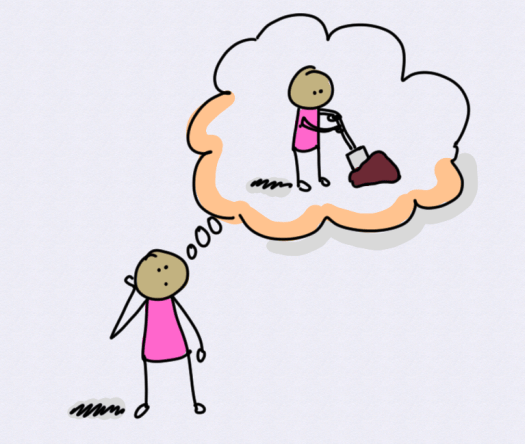
If you take a metaphorical step back and look at yourself doing what you do, that’s double loop learning.
Also known as reflection.
The “real” work happens in the doing, where the shovel meets the dung, the rubber meets the paper and the groceries meet the bag.
Reflection is about whether you’re going about the doing in the right way.
You can use one easy question for both types of thinking.
How do you help your client?
Ask it with the correct emphasis.
How do you help your client?
What value do they get from you? What is the bundle of benefits you offer?
What physical thing, monetary saving or peace of mind do you offer?
Then ask, how do you help your client?
What is it about the way you apply yourself – what knowledge, what approach do you bring to bear on their situation?
What is unique about your background and methods?
Why would those be particularly useful for a specific type of client?
The best way to think about these ideas is to write and apply what you’ve learned to build your business.
One kind of thinking is about the job. The other is about the “meta” aspects of the job. Keep these two separate. For example, I use this blog as a place to explore the meta but I use my professional social media to think about my specific area of practice.
Be clear about you you’re talking to and why.
How do you know when you’ve done enough thinking?
You’re never really done, but a good way to do this is to ask questions.
If you’ve thought about your work and written something about it then ask “What will my client do after reading this?”
You’ve hit the mark if reading what you’ve written leads to action, to doing something.
If you’ve written a reflective piece then you can ask, “What will I change about myself now?”
Growth begins when you recognize that something has to change.
You can do all this work and put your writing in a drawer, but you might be tempted to share it.
There are pros and cons.
You’ll get feedback – people will like what you write and say so or you’ll get ignored.
Feedback is good.
But we’re a social species and it’s easy to get addicted to checking whether people have noticed and responded to what you’re saying.
Feedback is to help you get better, not to make you feel better or worse.
That’s what reflection is for.
Cheers,
Karthik Suresh
 Handcrafted insight